The Best Social Studies Websites Of 2025 – Part Two

I’m continuing with my end-of-year “Best” list posts…
You can see all previous Social Studies lists here.
Here picks for the second half of the year:
The Best Resources For Helping Teach About The 250th Anniversary Of The American Revolution
The Best Resources For Learning & Teaching About Historical Empathy
There are several online tools that let you compare the sizes of different countries, and you can find them at The Best Online Tools For Comparing The Physical Sizes Of Different Countries. But TrueSize.net does that and a lot more. It lets you compare country and empire sizes throughout history, which makes it different from all the other sites and could be very useful in history classes.
The NY Times Learning Network published an exhaustive lesson plan titled Teaching About Trump’s Immigration Crackdown. It has many good ideas, though it’s more like a unit plan than a lesson plan. I’m adding it to The Best Resources To Support Schools, Teachers, Students & Families In The Face Of Trump’s Deportation Threats.
Native Land Digital is an impressive interactive that maps native lands around the world. In addition, the site includes teacher guides on how to use the maps. I’m adding it to The Best Sites For International Day Of The World’s Indigenous People.
The University of Maryland has created a very useful interactive titled What Will Climate Feel Like In 60 Years? Type in any location around the world, and then it will show you what the…climate will be like there in sixty years, along with pointing to another community that has that climate right now. I’m adding this info to The Best Sites To Learn About Climate Change.
Pick the year, and the Interactive Historical Map will show you national boundaries from throughout the world. Unfortunately, it doesn’t show the boundaries of many indigenous communities from the past, but other sites on The Best Sites For International Day Of The World’s Indigenous People can do that. I’m adding this info to The Best Websites For Teaching & Learning About World History.
As regular readers know, I’ve created a few AI chatbots recently, all with knowledge bases composed only of sources I’ve vetted. Based on my nineteen-year community organizing career (which came prior to my twenty-three year high school teaching career), I’ve created another one on creating change and influencing people. It’s certainly a timely topic as many of us try to resist the Trump regime. You can visit the Creating Change Expert Companion. It will only answer questions using those vetted sources. It will tell you what those sources are, and invite you to suggest additional ones.
Many teachers are familiar with the Mr. Nussbaum site, which has offered lots of online learning activities for years. Now, its creator, Greg Nussbaum, has unveiled an even more impressive site called Learn About America. All the activities are available free, but it just costs $45 a year if teachers want to create a virtual classroom and track student work. When I was teaching US History to English Language Learners, Brainpop was a classroom staple. Its cost eventually just got too much and they required a school subscription if you wanted students to be able to watch the videos on their own. If I was teaching it today, I’d get a subscription to this new “Learn About America” site, and combine it with interactive videos I could create with Wayground (formerly Quizizz), plus our accessible textbook.
National Geographic has a great “Into The Amazon” interactive.
Who Wins Wars is an amazing interactive infographic. It seems a bit difficult to navigate, but I just may be missing something. Here is how it describes itself:
Between 1816 and 2007 — a span of nearly two centuries—the world witnessed 91 major wars between sovereign nations. While technological progress surged, so too did the capacity for conflict. The analysis of 192 years of interstate warfare reveals startling patterns about who initiates wars, who fights them, and who tends to win.
Geoguesser (not to be confused with the popular Geoguessr game) is a new site with a variety of standard geography games. The cool twist, though, is that you can create private virtual “rooms” and play against your friends. I’m adding this info to:
The Best Online Geography Games
The Best Online Games Students Can Play In Private Virtual “Rooms”
“Learn About America” Is A New & Useful (& Free) Social Studies Site
I’m adding this video to The Best Resources For Learning About Our World’s Population Of 7 Billion:
This video could be useful in class, though I think it’s only based on U.S. Census records so is likely not to include Native American populations prior to the Census:
This infographic could be useful in World History class:
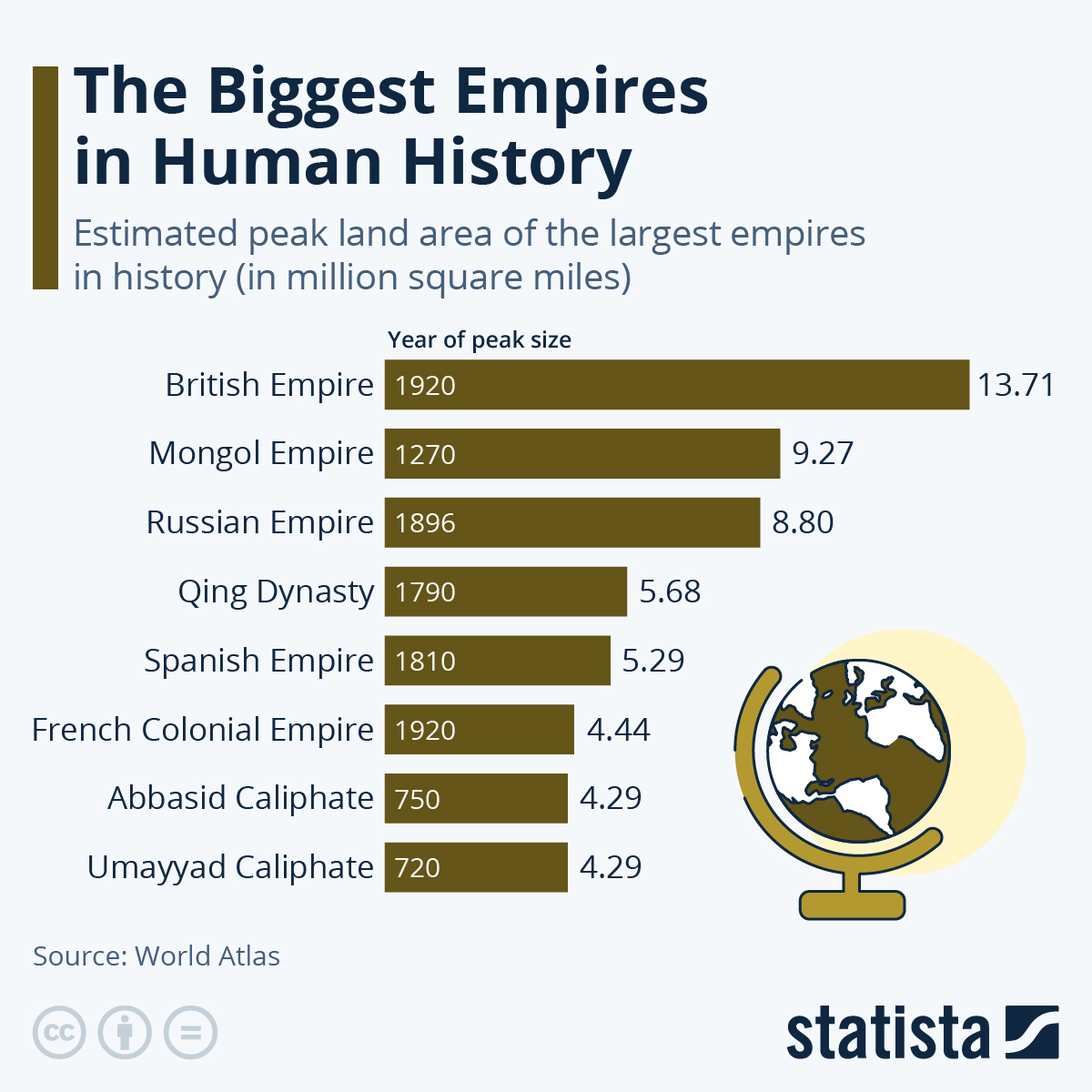 You will find more infographics at Statista
This is a pretty interesting new TED-Ed lesson and video. I’m adding it to The Best “Lists Of Lists” Of Influential People, Events & Ideas.
I’m adding this new TED-Ed video to The Best Resources For “Bill Of Rights Day,” which includes a description of one of my favorite lessons – where students determine which rights they would think were most important if they were beginning a new country:
I’m adding this video to The Best “Lists Of Lists” Of Influential People, Events & Ideas:
Google’s Arts and Culture site recently unveiled three separate “Seven Wonders” pages:
7 Wonders of the Ancient World
7 Wonders of the Natural World
I’m adding them all to The Best Sites For Learning About Various “Seven Wonders”
Source link

You may also like
Free Printable Reading Activities & Worksheets