Only 7% Haryana schools make it to top assessment mark in Nipun survey, ETEducation
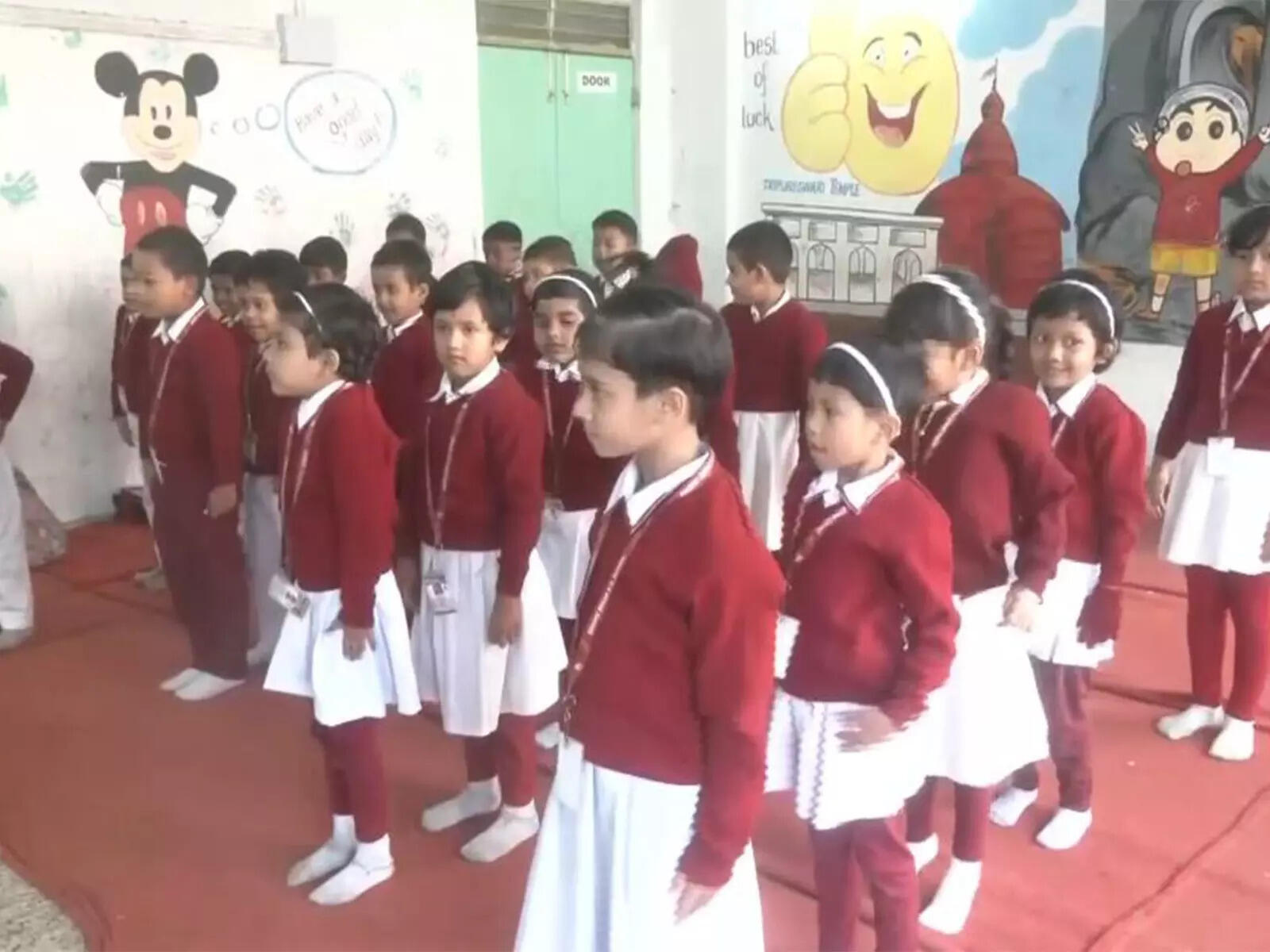
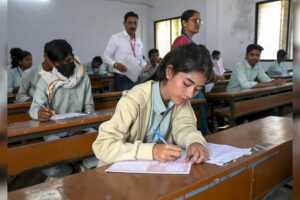
Gurgaon: The first Nipun Census Assessment has indicated gaps in the foundational learning in Haryana, where 8,646 primary schools were examined and only 621 (7%) made it to Category A, the top assessment level, while 6,385 schools (74%) found themselves in Category C, showing that most children cannot read simple sentences or do basic maths.
The assessment, held on Sept 15 and 16 using the Nipun Teacher App for Class 2 and 3 students, found most of them struggled to read alphabets, words or simple sentences, recognise numbers and do basic addition-subtraction.
In Gurgaon, just 12 out of 365 schools fell in Category A, while the bulk of 291 were in Category C. Children are counted as ‘nipun’ only if they clear all competencies in both Hindi and maths — Class 2 students must identify letters, read words and sentences, recognise numbers up to 99 and do single-digit addition and subtraction, while Class 3 students must read 45 words per minute and solve double-digit sums, with and without carry, with failure in even one skill leading to disqualification.
A school is categorised A if more than 75% of students assessed are found ‘nipun’. It falls in Category B if 50-75% students are ‘nipun’ and under Category C if fewer than 50% of students achieve the distinction. Of the tailenders, five are from Sohna, two each from Gurgaon and Farrukh Nagar, and one from Pataudi.
The findings have come as a “wake-up call” for parents. A mother of a Class 3 student from Sohna said the family had assumed her child was progressing well because report cards showed no red flags. “Only now do we realise he struggles to read full sentences,” she said. Another parent from Farrukh Nagar stressed the need for greater parental engagement. “Schools must clearly tell parents what children are expected to learn at each level. Without that, gaps go unnoticed,” the parent said.
District coordinator for the Nipun Haryana Mission, Manoj Lakra, said Gurgaon’s results were calculated on the basis of total enrolment in each assessed school, not merely the students who appeared for the test. He pointed to high family migration, seasonal labour movement and festival-related absenteeism, including during Chhath Puja, as key factors affecting attendance. “Despite these challenges, academic monitoring and classroom support have been stepped up, particularly in blocks with the highest concentration of underperforming schools,” he said.
While officials said the district-wise rankings were still being worked out, data showed the learning crisis was most acute in Nuh, where 501 of the 504 assessed primary schools were classified under Category C. Only three schools—two in Nuh block and one in Tauru—made it to Category B, while none qualified for Category A.
Kusum Malik, district coordinator for Nipun Haryana Mission, said the results reflected foundational gaps that have built up over several years. She attributed the poor outcomes to the absence of permanent senior education officers, including a district education officer for nearly a year, persistent teacher and academic mentor shortages, and chronically low attendance in many schools, often dipping to 40-45%.

Source link