St. John’s Suspends CBP Partnership
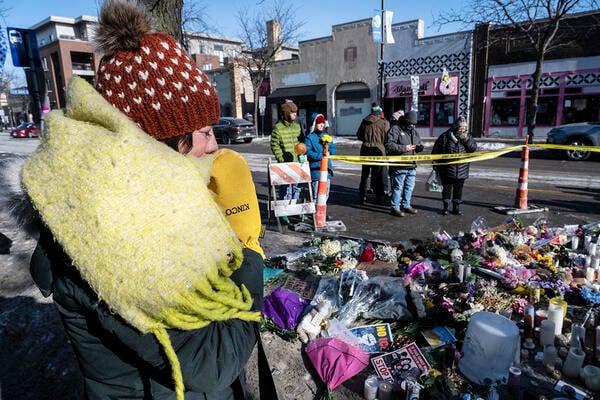
Two CBP officers recently shot and killed Alex Pretti, a Minnesota resident who was observing an immigration enforcement action.
Roberto Schmidt/AFP/Getty Images
St. John’s University has backed out of a partnership with U.S. Customs and Border Patrol amid scrutiny of the agency’s violent conduct in a national immigration crackdown.
Last May, the Catholic university in New York announced that it was partnering with CBP to create the Institute for Border Security and Intelligence Studies. A since-deleted webpage (accessible via the Wayback Machine) shows the partnership was intended to provide training opportunities for CBP employees and offer professional development for St. John’s students. The university also expected to use the program to place students into CBP internships and tap border patrol personnel “to serve as guest speakers, student mentors, and advisers to faculty.”
But now, the partnership is dead.
“After constructive, mission-focused conversations with U.S. Customs and Border Protection, the decision was made to suspend, in advance of the one-year renewal, the academic partnership by mutual agreement,” SJU spokesperson Simon G. Møller told Inside Higher Ed by email.
Reporting by Gothamist, a local news outlet, and student media indicate that the partnership faced backlash on campus. Critics reportedly accused St. John’s leadership of betraying the university’s Vincentian values and argued the partnership was incompatible with its mission.
St. John’s is walking away from the CBP deal as the agency—alongside the Department of Homeland Security and U.S. Immigrations and Customs Enforcement—are facing sharp questions from the public and lawmakers over violent tactics. Last month, two CBP officers killed Alex Pretti, an American citizen and ICE protester. While some Trump administration officials have claimed, without any evidence, that Pretti was a “domestic terrorist,” his killing has led to heightened scrutiny of immigration enforcement tactics.
CBP officials did not respond to a request for comment from Inside Higher Ed.

Source link

You may also like
Understanding Noncredit Students’ Goals and Motivations
Science Lesson Plan on Cow Tool Use