How Rajasthan is reshaping college education through technology, skills and diaspora engagement, ETEducation
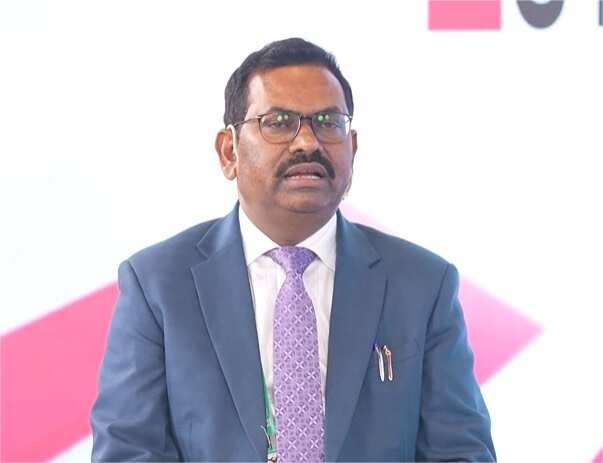
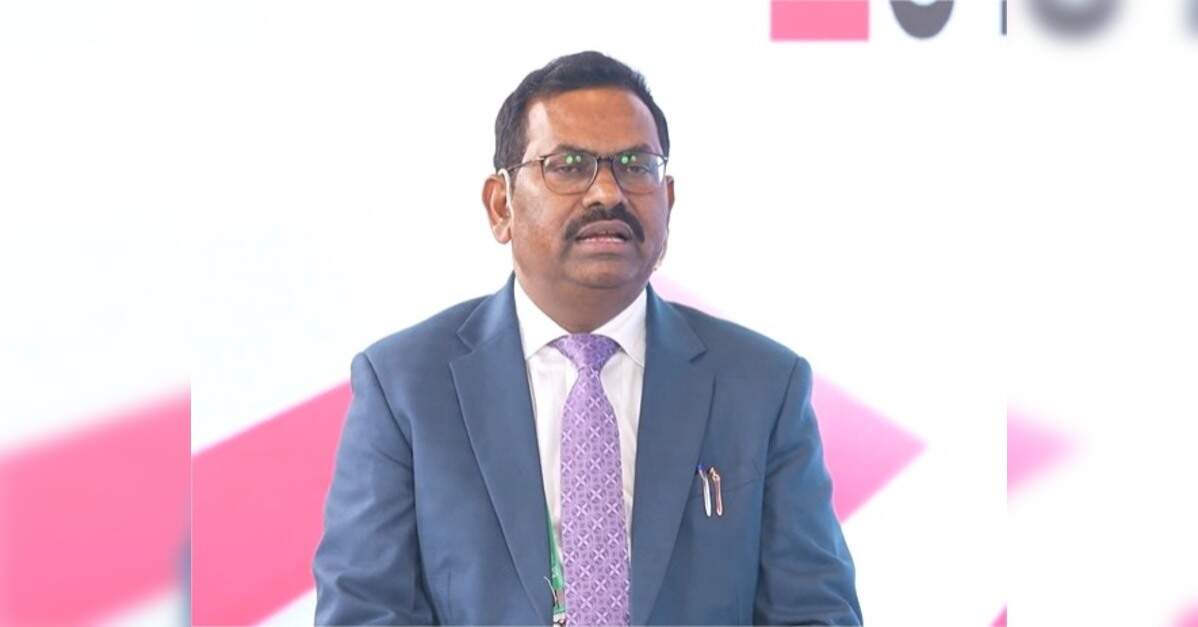
Rajasthan’s higher education sector is undergoing a visible transformation, driven by policy reforms, technology integration, and rising interest from investors and the global Rajasthani diaspora. During Pravasi Diwas 2025, ET Studios spoke with Om Prakash Bairwa, Commissioner, College Education, Government of Rajasthan, to understand how the state is positioning its college education ecosystem, the nature of investor engagement, and the role of digital and skill-oriented initiatives in shaping future-ready institutions.Pravasi Diwas 2025 has seen strong investor participation, including focused discussions on the education sector. What kind of investors are engaging with Rajasthan’s college education ecosystem.
Pravasi Rajasthani Diwas is being organised in a very grand and historic manner, and it has become an important platform for engagement between the state government and investors, including those with a strong emotional and professional connection to Rajasthan. A large number of Pravasi Rajasthanis who have been associated with education, skill development, technology and institution-building are participating actively in the discussions.From the perspective of college education, investors are keen to understand how Rajasthan’s higher education ecosystem is evolving and how it is being aligned with contemporary needs. Their queries largely focus on the structure of higher education in the state, the role of government colleges, and how technology and innovation are being integrated into teaching and learning processes.
There is also interest in understanding how the state is preparing its students for future-ready skills and how educational institutions are responding to changes brought about by technology, especially after the Covid period. Overall, the discussions reflect a growing confidence in Rajasthan’s education system and a willingness among investors to engage with long-term educational development.
You mentioned that the government has prepared a comprehensive book on the state’s education sector under the leadership of the Chief Minister. What is the significance of this initiative for college education in Rajasthan?
Yes, the state government, under the guidance of the Chief Minister, has prepared a comprehensive book that presents a complete picture of education in Rajasthan. This initiative is important because it documents the journey, present status, and direction of education across levels, including college education.
For higher education, this book serves as a consolidated reference that highlights institutional frameworks, academic structures, and the progress made over the years. It also reflects the government’s vision of strengthening education through systematic planning and transparent documentation.
Such an initiative helps stakeholders—including policymakers, educators, investors, and students—gain clarity on where the education system stands today and how it is being strengthened. It reinforces the state’s commitment to structured growth in education and provides confidence that reforms and investments are being guided by a clear and well-documented roadmap.
The Covid period brought significant changes to education globally. How did this phase influence college education in Rajasthan, particularly in terms of technology adoption?
The Covid period was a turning point for education, not only in Rajasthan but across the world. It made it clear that education systems must be flexible, technology-enabled, and capable of adapting to sudden disruptions. During this period, we observed a major shift in how teaching and learning were approached.
Technology emerged as a central pillar of education. Traditional classroom-based learning had to be supplemented—and in many cases temporarily replaced—by digital platforms. This experience reinforced the importance of investing in technological infrastructure and digital delivery mechanisms in higher education.
As a result, the education system began to change more rapidly, embracing technology as an essential component rather than an optional add-on. This shift has had a lasting impact, shaping how colleges approach teaching methods, student engagement, and academic continuity even beyond the Covid period.
How is the government investing in technology today, and how are universities and colleges adapting to these technological changes?
The government has taken several steps to ensure that technology becomes an integral part of college education. One of the key initiatives has been the introduction of courses delivered through mobile applications, making learning more accessible and flexible for students.
Universities and colleges are increasingly recognising the importance of technology-enabled education. They are adapting by integrating digital tools into their academic systems and encouraging the use of online and blended learning methods. This not only enhances accessibility but also helps institutions stay aligned with changing educational practices.
Additionally, technology is being used to support academic processes, examinations, and skill-based learning. The focus is not merely on digitisation, but on meaningful integration of technology that improves learning outcomes and equips students with skills relevant to today’s environment.
Programmes like I-START and the expansion of ICT labs have been mentioned as key initiatives. How do these efforts contribute to skill development and the overall academic ecosystem in colleges?
Initiatives such as the I-START programme and the expansion of ICT laboratories play a crucial role in strengthening the academic and skill development ecosystem. The I-START programme, which has shown encouraging results, promotes innovation and an entrepreneurial mindset among students, beginning from the school level and extending into higher education.
In colleges, the expansion of ICT labs has been carried out effectively to ensure that students have access to modern technological infrastructure. These labs support not only academic learning but also practical exposure to digital tools and applications.
The idea is to ensure that learning is not limited to textbooks alone. By integrating ICT infrastructure into colleges, students gain hands-on experience that supports both skill development and academic assessment systems. This approach helps create a more holistic education model, where knowledge, skills, and technology come together to prepare students for future challenges.

Source link